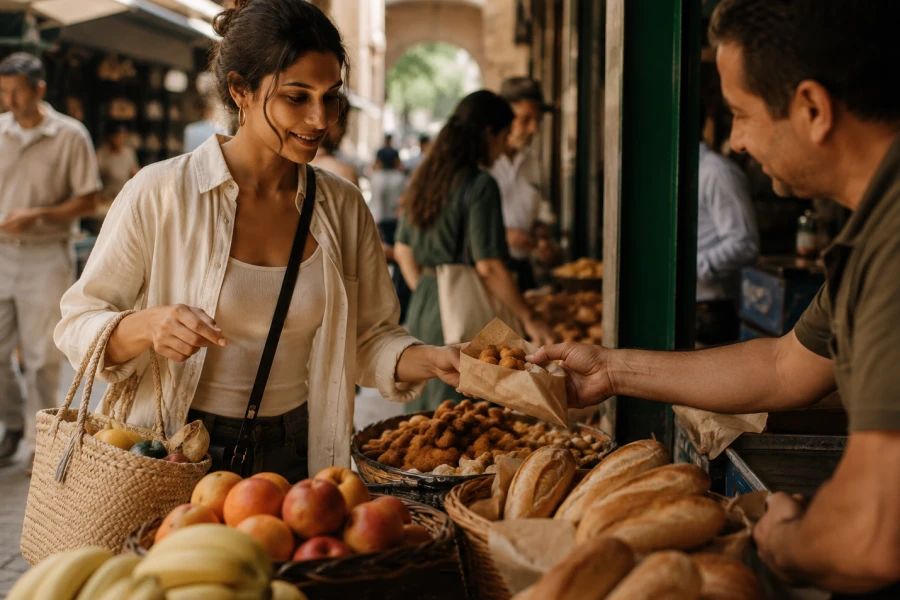
Save money on food while traveling does not mean eating badly, skipping meals, or avoiding local culture. Food is often one of the best parts of a trip. The challenge is enjoying it without letting every snack, coffee, and dinner stretch the budget. Smart travelers create a food rhythm before they arrive. They decide when to splurge, when to keep meals simple, and where local value usually hides. This makes the trip feel intentional rather than restrictive. A thoughtful travel food budget strategy helps readers enjoy restaurants, markets, bakeries, and street food with less guilt.
Food spending begins before the first restaurant visit. Travelers often overspend because they arrive hungry, tired, and unfamiliar with the area. That combination leads to expensive convenience. A little preparation prevents it. Look at neighborhoods before booking. Notice whether markets, cafés, bakeries, or casual local spots sit nearby. Check whether your stay includes a fridge, kettle, or breakfast option. These details shape daily spending. They also reduce decision fatigue. You do not need a strict meal plan. You need a realistic food map. Knowing your options makes affordable eating feel natural instead of desperate.
Local flavor often lives outside the most obvious restaurants. Markets, bakeries, casual counters, food halls, and neighborhood cafés can be memorable and affordable. These places reveal daily life. They also help travelers eat well without paying tourist-zone prices. The goal is not avoiding restaurants. It is choosing them more deliberately. Spend on meals that matter. Keep other meals simple. This balance makes room for special food experiences. A budget dining travel plan can turn everyday meals into part of the adventure rather than a financial leak.
A flexible meal rhythm keeps travelers satisfied and financially steady. Some people prefer a simple breakfast, a casual lunch, and a special dinner. Others enjoy a larger lunch and lighter evening food. The right pattern depends on destination, schedule, and appetite. What matters is consistency. When every meal becomes spontaneous, costs rise quickly. A rhythm creates anchors. It also prevents hunger-based decisions. Keep a few reliable snacks nearby. Notice when restaurants offer better value. Choose lodging that supports at least one easy meal. These habits protect both budget and mood throughout the trip.
Tourist areas can make food decisions harder. Menus look convenient. Locations feel easy. Prices often reflect the view more than the meal. Travelers can still eat well nearby by stepping just a few streets away. Look for places serving locals, not only visitors. Avoid choosing a restaurant only because someone is waving you inside. Check menus before sitting down. Watch where regular customers gather. A simple detour can change the price and quality completely. For more structure, affordable eating on the go helps travelers stay practical without losing pleasure.
A food budget should include joy. If travelers remove every splurge, the trip can feel smaller than it needs to. The better approach is selective spending. Choose one dinner, tasting experience, bakery stop, or local specialty that feels worth it. Then balance that with easier meals elsewhere. This creates a satisfying contrast. It also prevents accidental overspending on forgettable food. A planned splurge feels better because it has meaning. You remember it more clearly. You enjoy it without calculating every bite. Intentional food spending makes the budget feel supportive, not limiting.
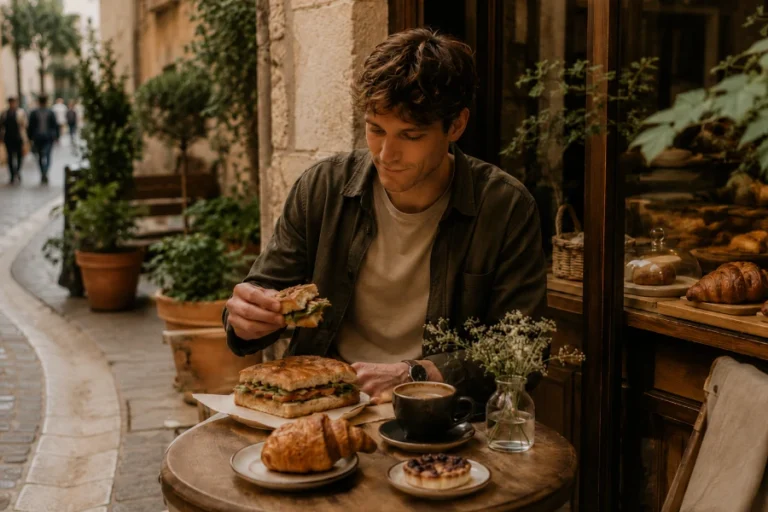
Affordable travel eating works best when it feels abundant. A picnic with local bread, fruit, cheese, or snacks can feel beautiful in the right setting. A market breakfast can be more memorable than a hotel buffet. A casual lunch can leave money for a special evening dessert. These choices are not compromises when they match the destination. They become part of the story. Travelers who plan food thoughtfully often eat more variety, not less. They also avoid the frustration of paying too much for average meals. Food remains a pleasure, while the budget stays under control.


Leave a comment