Budget travel food tips help travelers enjoy the destination without letting meals quietly take over the trip budget. Food spending rarely feels dramatic in the moment. A coffee here, a snack there, one convenient lunch, and one tired dinner can add up quickly. The answer is not skipping flavor. It is building habits that protect both appetite and money. Travelers should know when to keep meals simple and when to spend with intention. That balance keeps the trip enjoyable. It also reduces stress around daily decisions. A useful affordable travel food system makes the process easier.
Small purchases often create the biggest surprise. Bottled water, airport snacks, takeaway coffee, and quick convenience foods can cost more than expected. None of them feels important alone. Together, they can equal a memorable dinner. Travelers should notice these patterns early. Carry a refillable bottle where safe and practical. Keep simple snacks for long transitions. Choose cafés because they appeal to you, not because hunger has become urgent. This awareness does not remove pleasure. It removes autopilot spending. When small purchases become intentional, the whole food budget feels easier to manage.
Daily planning becomes easier when meals have a loose structure. You might keep breakfast simple, eat a satisfying lunch, and leave dinner flexible. Another day may call for a market picnic and a special dessert. The exact rhythm matters less than the habit of thinking ahead. Travelers who plan loosely avoid the most expensive decisions. They also enjoy food more because they are not constantly reacting. A money-saving travel meals approach can support that rhythm without turning the trip into a spreadsheet.
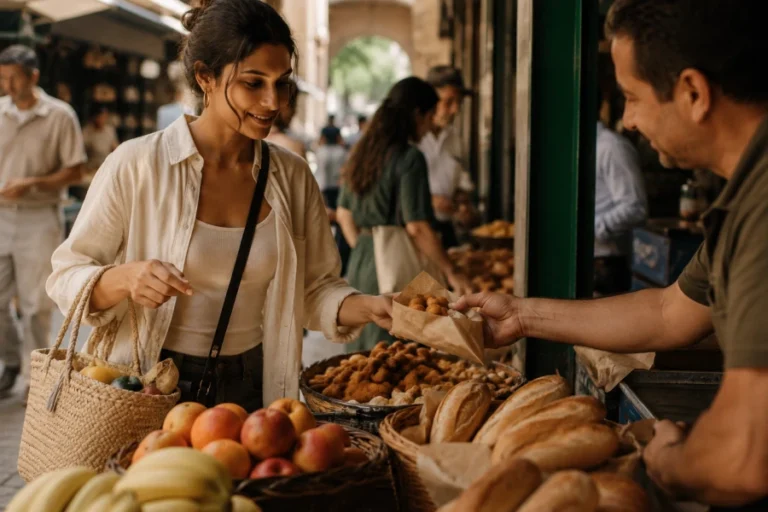
Cheap food and good value are not always the same. Cheapness can lead to disappointing meals, poor locations, or extra snacks later. Value means the meal satisfies you, fits the destination, and feels fairly priced. Local bakeries, lunch menus, markets, casual counters, and family-run places often deliver that value. Travelers should look for freshness, turnover, and regular customers. They should also avoid places built only around tourist convenience. A few thoughtful choices can change the entire food experience. The goal is not the lowest possible cost. The goal is the best memory for the money.
Long sightseeing days need food planning more than lazy days. Hunger arrives at inconvenient times. Attractions may sit near overpriced restaurants. Tired travelers choose whatever appears first. A better approach begins with portable basics. Pack a snack, identify one casual meal option, and know where water is available. This small preparation protects energy and budget. It also makes the day feel less rushed. For travelers building practical habits, eating affordably on vacation becomes easier when the schedule includes food breaks.
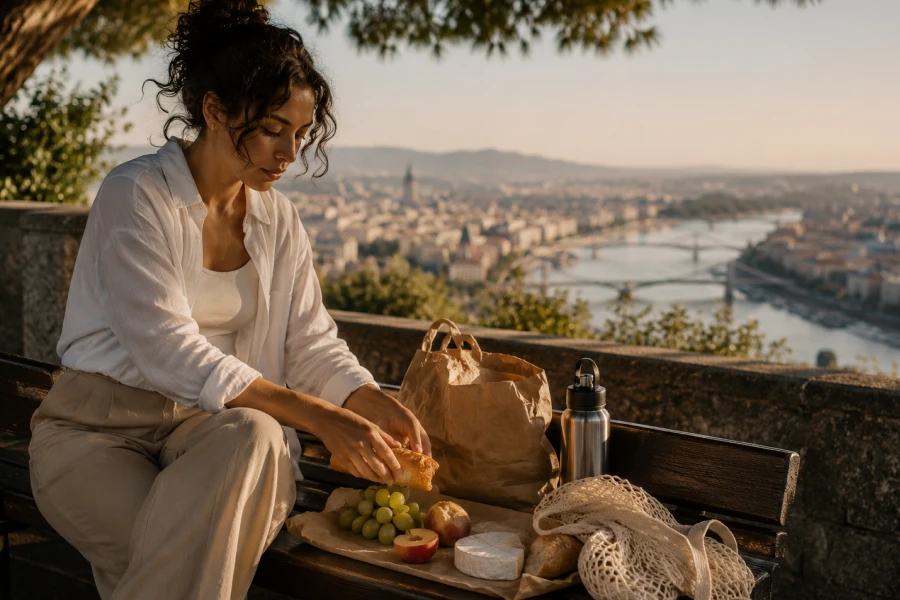
Restaurants are part of travel, but they do not need to carry every meal. Simple meals can be beautiful when chosen well. A bakery breakfast, market lunch, grocery picnic, or casual takeaway dinner can feel connected to place. These meals also create flexibility. You can eat near a viewpoint, in a park, or back at your room after a long day. Mixing restaurants with simple meals prevents budget fatigue. It also keeps food experiences varied. Travelers often remember the informal meals because they happen in real moments, not only planned settings.
Food savings should create room for better experiences. The money saved on random convenience meals can support a special dinner, local tour, extra museum, or longer stay. That makes daily discipline feel rewarding. It also reframes the budget as a tool for freedom. Travelers do not need to track every penny obsessively. They need patterns that work. Once those patterns are in place, food choices feel easier. You can enjoy the destination without wondering where the money went. Good travel eating is not about denial. It is about making every meal earn its place.


Leave a comment